Skip to content

Coal Mountain · Cumming, Georgia

Water Damage Restoration in Coal Mountain, Cumming

Water Damage Doesn't Wait. Neither Do We.

Emergency extraction and structural drying for rural and residential properties in Coal Mountain — burst pipes in exterior walls and crawlspaces, water heater failures, sewage backups, and appliance supply-line releases. Triple Master crews document affected insulation, subfloor systems, and concealed cavities from the first walkthrough for homeowners and authorized insurance representatives.

Founder's Perspective

In North Forsyth rural properties, a burst pipe in an exterior wall often releases into a crawlspace long before anyone sees water in the living area. Insulation, joists, and subfloor systems hold moisture until mapping defines where extraction and drying equipment belong.

Bradley Grady Founder
  • IICRC Master Water Restorer
  • IICRC Master Fire & Smoke Restorer
  • IICRC Master Textile Cleaner

Water Damage in Coal Mountain

Coal Mountain sits in the rural northern reach of Cumming and Forsyth County, where homes on slab, crawlspace, and partial-basement foundations share long driveways, detached garages, and exterior-wall plumbing runs that behave differently than interior chases in denser subdivisions. Burst pipes at utility penetrations, aging water heaters, appliance supply lines, and septic-related sewage backups create distinct loss patterns across acreage parcels and established residential pockets.

Crawlspace and exterior-wall vulnerabilities

Frozen or corroded supply lines in exterior walls can release directly into crawlspace insulation and subfloor decking. Water heaters in garages and utility closets can saturate adjacent rooms and floor systems before staining appears upstairs.

Rural access and detached structures

Longer drive access and detached garages require upfront coordination for equipment staging and monitoring visits. Moisture mapping defines how far water traveled through insulation and joist bays before wide-area extraction begins.

Loss Evaluation

Water Losses We Evaluate in Coal Mountain Properties

Each scenario below changes how Grady inspects, extracts, and dries — because foundation type, plumbing location, and rural property layout differ parcel to parcel.

Burst pipes in exterior walls and crawlspaces

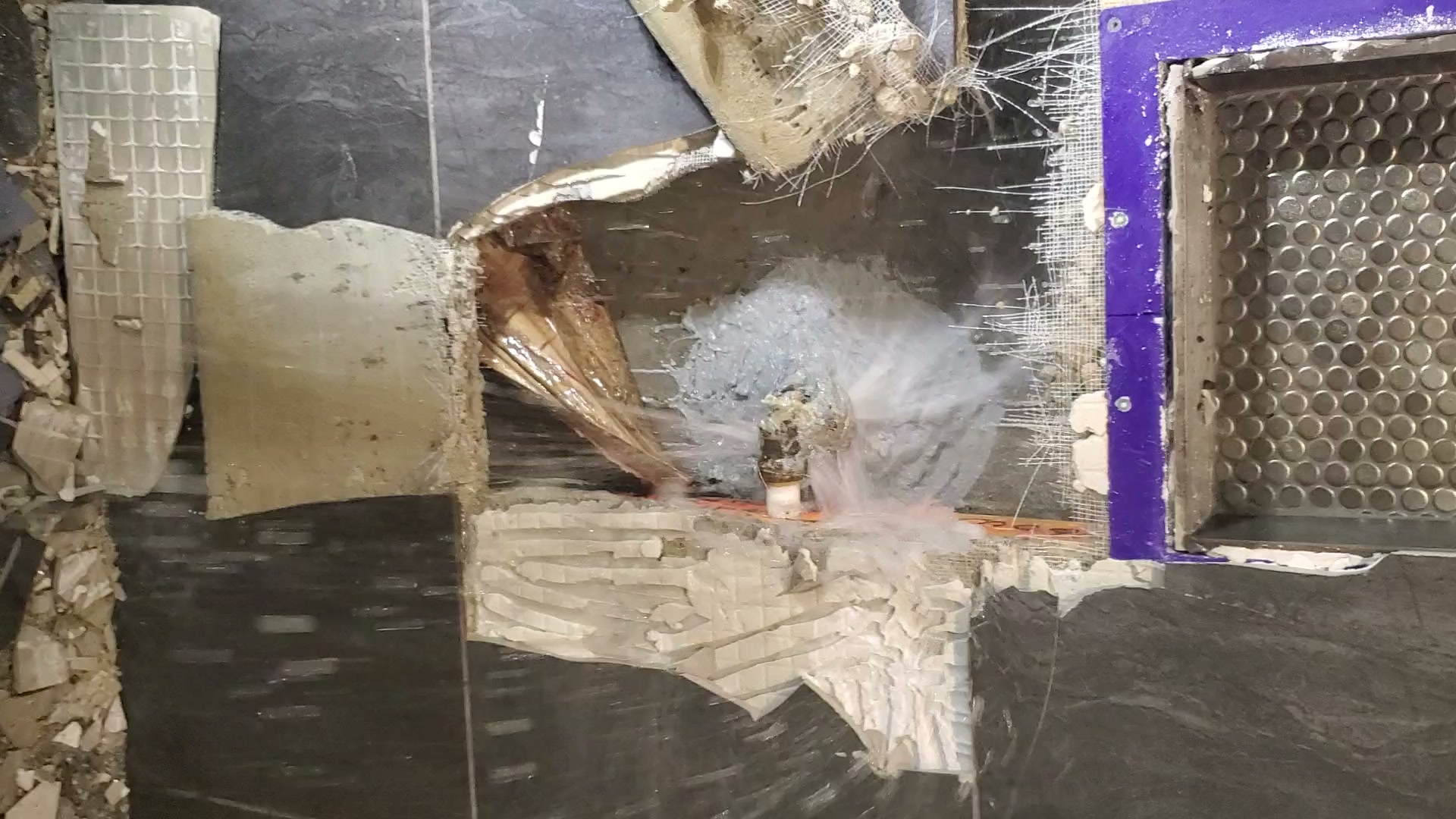
Supply lines routed through exterior walls and crawlspace joist bays can release large volumes into insulation and subfloor decking before pooling reaches finished flooring. Mapping defines which joists, vapor barriers, and perimeter assemblies require drying or removal.

Water heater failures in garages and utility areas

Tank ruptures and connection failures in garages, utility closets, and mechanical alcoves can saturate adjacent rooms and floor systems. Category assessment and extraction precede structural drying of affected drywall and subfloor materials.

Sewage backups and septic-related releases

Septic system backups and drain failures can introduce Category 3 water into bathrooms, laundry areas, and lower-level spaces. Containment planning and category assessment precede extraction in occupied rural homes.

Appliance and supply-line failures

Kitchen, laundry, and refrigerator supply lines can release into cabinetry, toe-kicks, and particleboard substrates. Inspection includes concealed wall cavities and subfloor edges even when surface pooling appears limited.

Frozen pipe releases in winter

Exterior-wall and crawlspace plumbing exposed to cold snaps can split at fittings and penetrate insulation before homeowners notice reduced pressure. Thermal imaging and moisture meters locate affected assemblies behind finished surfaces.

Storm and roof intrusion at rural properties

Roof and flashing failures on detached structures and main residences can introduce water into attic insulation and ceiling assemblies. Thermal imaging locates affected framing before finishes are disturbed.

How Water Moves Through Coal Mountain Property Types

Restoration decisions depend on how each assembly absorbs moisture — crawlspace insulation, slab edges, and detached garage construction each behave differently across rural Forsyth parcels.

Residential assemblies

Rural and residential homes in Coal Mountain use assemblies that wick moisture differently — see how Grady evaluates residential water damage restoration by material type.

  • Crawlspace insulation and joist bay saturation
  • Slab-on-grade carpet, pad, and perimeter edges
  • Exterior-wall plumbing and subfloor decking
  • Detached garage drywall and utility platforms

Commercial assemblies

Rural commercial outbuildings, workshops, and small tenant spaces require different containment plans — learn how commercial water damage restoration addresses occupied and mixed-use structures in Forsyth County.

  • Workshop and barn mechanical areas
  • Small retail and service outbuildings
  • Shared septic and drain line transitions
  • Concrete slab and utility-room assemblies

Documented Process

Our Water-Damage Restoration Process in Coal Mountain

Each dispatch follows the same documented sequence — adapted for crawlspace homes, rural drive access, and detached structures in Coal Mountain. Our emergency response and documentation process is used day and night, including weekends and major holidays, because property damage rarely follows a business-hours schedule.

  1. Emergency assessment

    Loss details, access, and occupancy conditions are captured. Category and scope are assessed before equipment is placed.

  2. Moisture inspection and mapping

    Meters and thermal imaging locate affected assemblies, including concealed cavities in crawlspaces, wall cavities, and multi-level floor systems.

  3. Water extraction

    Standing water is removed from floors, carpet pad, and accessible cavities before structural drying begins.

  4. Controlled structural drying

    Air movers and dehumidifiers are placed per the moisture map. Daily readings verify progress toward dry standard.

  5. Cleaning and material evaluation

    Affected materials are evaluated based on category, exposure time, and readings; salvage when drying data supports it.

  6. Documentation and completion review

    Final readings, photos, and drying logs are compiled. Equipment is removed when affected materials meet established goals.

Clear Documentation for Homeowners and Insurance Representatives

Grady documents conditions and work performed so homeowners and authorized insurance representatives can make informed decisions during structural drying. When authorized, we organize and share relevant project documentation with photographs, moisture logs, and equipment records. Coverage decisions remain with the insurer — Grady does not determine coverage or guarantee claim payment.

  • Initial conditions and affected materials overview
  • Moisture readings and drying progress logs
  • Photographs of affected areas and monitoring visits
  • Equipment placement records
  • Material evaluation and completion review notes
  • Written communication and records for authorized stakeholders

Documentation supports transparency during structural drying. It does not guarantee insurance coverage or policy outcomes.

Restoration Experience for Complex Water Losses

Example loss scenario

How We Approach a Burst Pipe at an Exterior Wall Into a Crawlspace

In a rural Coal Mountain home, a burst supply line at an exterior-wall utility penetration can release directly into crawlspace insulation and subfloor joists. Water may spread along vapor barriers and joist bays before any staining appears on finished flooring above.

Grady's sequence typically includes: isolating the source when safe, mapping moisture in the crawlspace, affected joists, and perimeter wall cavities, extracting standing water, placing drying equipment per the map, and documenting readings until affected materials meet established drying goals. Longer drive access may require upfront equipment staging coordination.

This is an educational field scenario — not a report of a specific customer property, address, or outcome.

Water-Damage Service Near Coal Mountain

Coal Mountain is one community within Grady's Cumming service area. For city-wide coverage, related services, and additional community guides, start with the parent hub.

Cumming Water Damage Restoration

Other Cumming community guides:

Water Damage FAQ — Coal Mountain

Does Grady serve rural homes and crawlspace properties in Coal Mountain?

Yes. Grady provides emergency water damage restoration for rural and residential properties in Coal Mountain, Cumming, including crawlspace foundations, slab-on-grade homes, and detached garages in Forsyth County.

Can burst pipes in exterior walls affect crawlspace insulation?

Yes. Supply-line failures at exterior-wall penetrations can release directly into crawlspace insulation and subfloor joists. Grady maps affected assemblies with moisture meters and thermal imaging before placing drying equipment.

How do you handle sewage backups on rural septic systems?

Grady assesses category of water, plans containment when needed, and documents affected materials before extraction. Category 3 losses require different handling than clean supply-line releases — mapping defines the scope before demolition decisions are made.

What documentation is provided during structural drying?

Grady documents initial conditions, affected materials, moisture readings, equipment placement, drying progress, and completion review with photographs and logs. When authorized, documentation is shared with homeowners and insurance representatives. Grady does not determine coverage or guarantee claim payment.

Can water heater failures in a garage affect the main residence?

Yes. Garage water heater releases can migrate through shared walls, door transitions, and subfloor systems into adjacent living areas. Grady evaluates each assembly based on category of water, exposure time, and meter readings.

When should mold concerns be evaluated after a water loss?

Elevated moisture in building materials beyond 24 to 48 hours increases mold risk. Fast extraction, verified structural drying, and moisture mapping reduce secondary damage. Grady can coordinate mold evaluation when moisture remains elevated after drying goals are established.

Need Water Damage Help in Coal Mountain?

Rural home, crawlspace, or detached structure — emergency calls answered day and night, including major holidays, across Cumming and Forsyth County.

800-773-1658 24/7 Emergency Response

Request Help